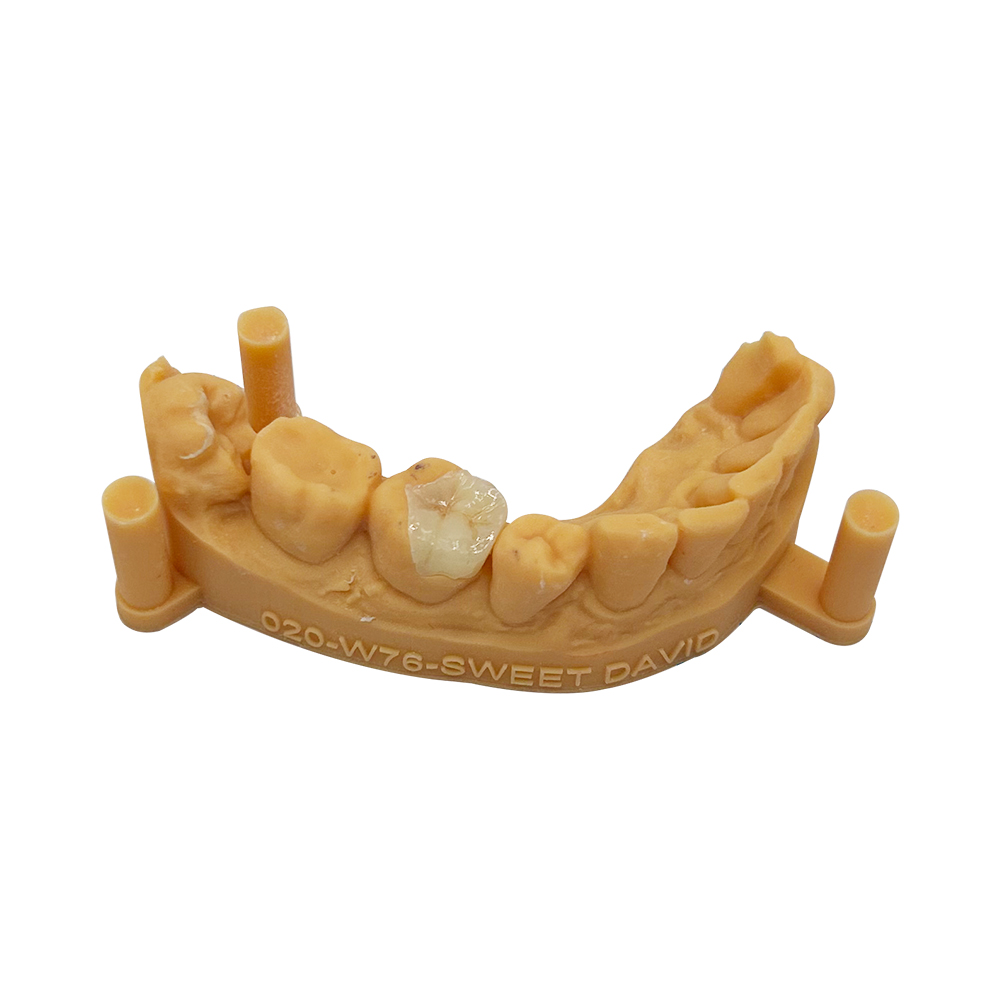
Full-arch implant prosthetics give clinics a way to restore an entire edentulous or failing arch with a fixed, implant-supported solution. In full-arch treatment concepts, the surgical team positions implants to support a full-arch bridge, and the laboratory translates that plan into a precise, durable prosthesis. For dentists and clinics evaluating full arch dental implants, the outcome depends on more than implant placement: it depends on accurate records, passive fit, verified occlusion, and a restorative partner who understands the full digital chain. This page is written for dentists and clinics selecting a laboratory for full-arch implant restorations.
As a full-service dental laboratory based in Shenzhen, China, founded in 2012, we are built and branded around CAD/CAM digital dentistry. We fabricate custom dental restorations for dental clinics in 30+ countries, with a product scope that includes crowns, bridges, veneers, dentures, implant restorations, retainers, and night guards. Within implant dentistry, our focus for this page is full-arch implant restorations — the fixed, implant-supported prostheses that restore function and esthetics across a complete arch.
Full-Arch Scope for Clinics
We support full-arch restorative workflows with a range of materials and designs. Depending on the case, the clinical plan, and the implant system selected by the surgical team, options can include:
- Zirconia full-arch frameworks for durable, biocompatible substructures.
- Implant-supported bridges designed as one-piece or segmented prostheses.
- Screw-retained full-arch prostheses for retrievability and maintenance access.
- Temporary teeth on implants during healing, so the clinic can provide an interim fixed or removable solution while the definitive prosthesis is fabricated.
- Full-contour and layered zirconia, PFM, lithium-disilicate (Emax) crowns and veneers, ceramic and composite inlays/onlays, and removable dentures when a hybrid or staged approach is indicated.
For clinics, the key is not simply choosing a material. It is matching the prosthesis design to implant position, tissue support, lip line, occlusal scheme, and long-term maintenance requirements. We discuss these variables with the prescribing clinician before production begins.
Digital Workflow for Full-Arch Accuracy
Full-arch implant cases leave little room for guesswork. Our digital workflow uses Exocad and 3Shape design, CAD/CAM manufacturing, 5-axis milling, and 3D printing to move from records to restoration with controlled precision. The process typically includes:
- Verification of implant positions and scan data before design.
- Evaluation of passive fit requirements for screw-retained or implant-supported frameworks.
- Occlusion design that considers the opposing arch, vertical dimension, and functional movements.
- Collaboration with the clinic's surgical planning so the restorative design and implant placement support each other.
- Digital design review and, where needed, adjustment before final manufacturing.
Passive fit is central to full-arch implant restorations. A framework that does not seat accurately can introduce stress to implants, components, and the prosthesis. By verifying scan data and design early, we help clinics reduce chairside complications and avoid remakes. Occlusion design is equally important: the full-arch prosthesis must distribute forces appropriately and remain stable in function. We work from the clinic's records and communicate clearly when additional information or a verification step is needed.
Materials and Indications
For full-arch cases, zirconia frameworks and implant-supported bridges are common choices because they offer strength and design flexibility. Screw-retained prostheses are often selected when retrievability is a priority. Temporary teeth on implants during healing help manage the transitional phase, whether the clinic prefers a fixed interim or a removable provisional. The definitive material and design are confirmed with the clinician based on the case.
Our broader product scope also includes PFM crowns and bridges, full-contour and layered zirconia crowns, lithium-disilicate (Emax) crowns and veneers, ceramic and composite inlays and onlays, removable dentures in acrylic, flexible, metal framework, and titanium options, plus retainers and night guards. This allows clinics to consolidate restorative work with one laboratory while keeping full-arch implant restorations as a dedicated workflow.
Case Support and Turnaround
Full-arch implant restorations benefit from dedicated technical consultation. We review the case parameters with the clinic, discuss design and material options, and coordinate the steps from digital design to finishing. For scheduling, regular cases run about 3 days lab time. Implant and complex cases, including full-arch work, are generally 4+ days lab time. Total turnaround including shipping is about 7 days. Timelines can vary with case complexity, material selection, and the completeness of records.
Clinics working with us can expect clear communication about what is needed before production, what decisions belong to the surgical team, and what the laboratory will deliver.
Partnering With Our Laboratory
If your clinic is planning a full-arch implant restoration, we can support the restorative phase with digital design, CAD/CAM manufacturing, and case-specific consultation. Our role is to help you achieve a prosthesis that seats accurately, functions predictably, and meets the clinical requirements you set.
Certificates available upon request. We do not publish certificate numbers or issuing bodies in marketing materials; documentation can be requested directly for your records.
Contact us to discuss your next full-arch case:
- Email: [email protected]
- WhatsApp: +86 18925410015
Please include the implant system, scan data or records available, material preference, and desired timeline so we can respond with relevant guidance.